


Applying for planning permission is one of the most important stages of any home improvement project, yet it is also where many homeowners unintentionally cause delays, added costs, or long term complications. The UK planning system is detailed and highly specific, and even small misunderstandings can derail an otherwise well planned extension, loft conversion, or renovation. Understanding the most common mistakes homeowners make can help you approach the process with confidence and avoid problems later.
Assuming Planning Permission Is Not Required
One of the most frequent mistakes homeowners make is assuming their project does not require planning permission. While many extensions and alterations fall under permitted development, the rules are often misunderstood. Factors such as the size and position of the extension, roof alterations, previous developments on the property, and whether the home sits within a conservation area can all affect what is allowed.
Homeowners regularly rely on general advice without checking how the rules apply to their specific property. Taking time to understand what is permitted development in the UK and reviewing whether you need planning permission for an extension can help clarify whether full planning permission is required before design work progresses.
Misjudging How Long Planning Permission Takes
Another common issue is underestimating the time required for planning approval. Homeowners often plan their build schedule based on best case assumptions, only to discover that planning decisions can take several weeks or longer if amendments are required. Delays can be caused by requests for further information, planning officer workloads, or objections raised during consultation.
Understanding how long planning permission takes allows you to plan realistically and avoid pressure to rush decisions or start work prematurely.
Confusing Planning Permission With Building Regulations
Planning permission and building regulations approval serve very different purposes, yet they are often confused. Planning focuses on how a development looks and how it affects its surroundings, while building regulations ensure the work is structurally sound, safe, and energy efficient.
Some homeowners secure planning approval and assume they are ready to build, only to be delayed later when building control issues arise. Clarifying early on whether you need building regulations approval can prevent disruption once construction begins.
Submitting Poor Quality or Incomplete Drawings
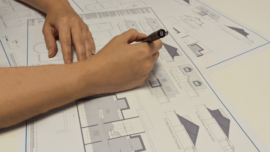
Planning applications rely heavily on drawings to communicate what is being proposed. Inaccurate dimensions, missing site plans, or unclear elevations can all weaken an application and lead to refusal or requests for resubmission. Poor presentation makes it harder for planning officers to assess the proposal fairly.
This is one reason many homeowners ask do you need an architect for an extension. Professionally prepared drawings not only improve approval chances but also reduce the risk of misunderstandings during construction.
Ignoring Local Planning Policies and Constraints
Each local authority has its own planning policies and design guidance. What is acceptable in one area may be discouraged in another. Homeowners who fail to consider local policies often submit applications that conflict with established guidance on scale, materials, or impact on neighbours.
This is especially important for properties in conservation areas or locations with additional restrictions. Understanding conservation area permitted development rights before finalising a design can save time and avoid disappointment.
Overlooking Neighbour Impact and Objections
Neighbour objections are a common reason planning applications are delayed or refused. Loss of light, privacy concerns, and overshadowing are frequently raised issues. Planning officers often rely on established assessment tools such as the 45 degree rule when considering how a proposal affects adjoining properties.
Engaging with neighbours early and designing with surrounding homes in mind can reduce objections and demonstrate that the proposal is considerate and well thought out.
Forgetting to Check Planning History
Another mistake homeowners make is failing to review the planning history of their property. Previous extensions or alterations may have already used up permitted development allowances or imposed conditions that restrict further changes. Ignoring this history can result in applications that are automatically limited or refused.
This can also have implications under planning enforcement timescales, including the four year and ten year planning rules.
Starting Work Before Permission Is Granted
Beginning construction before planning permission has been approved is a serious error. Even if approval seems likely, starting early can lead to enforcement action if the application is refused or conditions require changes. Homeowners sometimes assume they can apply retrospectively, but this is far from guaranteed.
Understanding what happens if you build without planning permission highlights why waiting for formal approval is always the safest option.
Failing to Align Design With Budget Early On
Planning mistakes are not always technical. Financial pressure often leads to rushed decisions or late design changes that weaken an application. Designing a project without a clear understanding of costs can result in compromises that affect both planning approval and build quality.
Exploring resources such as how to finance a house extension or loft conversion and how to save money when extending your house can help ensure your proposal is realistic from the outset.
Not Seeking Professional Advice Soon Enough
Many planning issues arise because homeowners attempt to manage the process alone without fully understanding local requirements or design expectations. While it is possible to submit an application independently, professional advice often prevents mistakes that lead to refusals or delays.
Learning how to find and then choose the right architect can help you secure guidance that strengthens your application, improves design quality, and supports a smoother journey from planning through to construction.
Conclusion
Planning permission does not have to be a barrier, but it does require careful preparation and informed decision making. Most planning problems can be traced back to assumptions made early in the process., but by understanding the rules, respecting local policies, preparing high quality drawings, and seeking professional advice when needed, homeowners can greatly improve their chances of success and avoid unnecessary stress.
Taking the time to approach planning properly not only protects your project but also helps ensure your home improvement delivers lasting value and enjoyment.